Reserve first
Reserve Diamond Head before choosing a trail time
Non-Hawaiʻi residents need advance entry and parking reservations. The official park guidance allows 1.5–2 hours for the hike.

Waikīkī & Diamond Head
Reserve the crater trail, walk the Waikīkī shoreline, and keep the rest of the day between Kapiʻolani Park, a swim, and dinner close to the hotel.
The pairing
Diamond Head (Lēʻahi) rises immediately southeast of Waikīkī, so the trail and shoreline fit one day without crossing Honolulu. The official route climbs 0.8 mile from the crater floor, gains about 560 feet, and passes switchbacks, steep stairs, and a tunnel before the summit overlooks the reef and city.
Reserve first
Non-Hawaiʻi residents need advance entry and parking reservations. The official park guidance allows 1.5–2 hours for the hike.
No-car option
A Waikīkī hotel does not require a rental car for every day. Compare the transfer with the cost of hotel parking before collecting a car.
After the hike
Lunch, a swim, Kapiʻolani Park, and the shoreline walk make a complete afternoon after the exposed crater climb.
Crater trail
The climb crosses the tuff surface on switchbacks before the stairs, tunnel, historic fire-control station, and coastal overlook.

Waikīkī shoreline
The beach walk links surf breaks, outrigger canoes, the Duke Kahanamoku statue, park lawns, and repeated views back to the crater.

Water time
Waikīkī includes shallow swimming areas, surf breaks, and busy canoe channels. Follow posted warnings and lifeguard guidance because conditions differ along the shoreline.
Inside Lēʻahi
The broad crater formed during a single explosive eruption roughly 300,000 years ago. Hawaiʻi State Parks traces the summit trail to 1908, when it became part of Oʻahu's coastal-defense system. The stairs and 225-foot tunnel lead into the Fire Control Station completed in 1911; bunkers remain near the summit above the lighthouse and southern shore.
Unlike a natural ridge walk, the route enters military passages before reaching the summit. It begins on the crater floor, crosses bare tuff and switchbacks, then opens to views over Waikīkī's reef and the dry southern coast.
Waikīkī after the climb
The eastern end is closest to Diamond Head and the broad lawns of Kapiʻolani Park. Kūhiō Beach brings protected swimming areas, surf lessons, canoe traffic, and the Duke Kahanamoku statue. Farther west, the shoreline passes the older Moana Surfrider and Royal Hawaiian frontage before reaching the larger resort towers.
Kapiʻolani Park edge
The park lawns and eastern beach sections put water and shade close to the trail transfer, with no new drive across Honolulu.
Kūhiō Beach
This central public-beach section has the Duke Kahanamoku statue, outrigger activity, surf lessons, breakwaters, and channels that require attention to posted warnings and lifeguards.
Central resort shore
The Moana Surfrider and Royal Hawaiian mark the older resort core. Continue here for a longer walk and beachfront dinner, or remain by Kapiʻolani Park after a hot crater climb.
Trail effort
The round trip is about 1.6 miles, but the elevation gain, sun, uneven tuff, tunnel, and final stairs make distance a poor measure of effort. Bring water, wear walking shoes, and keep enough time to descend before the park's last-entry and closing deadlines.
Moderate
The summit overlooks Waikīkī, the reef, the crater interior, and Oʻahu's southern coast.
Second Star gear guide
Long Flight Comfort
Long-flight packing list
Carry-on organization, phone power, water, sun/rain backup, and arrival pieces for trips where the first real leg is a long flight.
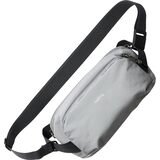
Compact Travel Sling Bag
$95.00

Tech Organizer Sling Bag
$55.00

Portable Travel Power Bank
$22.49
First-timer questions
Not automatically. Beach time, restaurants, and many pickups are walkable from Waikīkī. Compare a trail transfer with daily rental and hotel-parking costs.
It is busy and heavily visited, but it combines a long beach, surf schools, outrigger canoes, Kapiʻolani Park, restaurants, and a clear view of Diamond Head.
No. Pearl Harbor sits west of downtown, while Diamond Head is southeast of Waikīkī. Give the national memorial its own morning and current conditions check.